At A Glance

Price:

£2500 (per finger)

Expected Results:

Improved hand function

Length of Surgery:

10-20 mins

Anaesthesia:

Local Anaesthesia

Recovery:

Usual activities by 2 weeks

What is Trigger Finger Release?

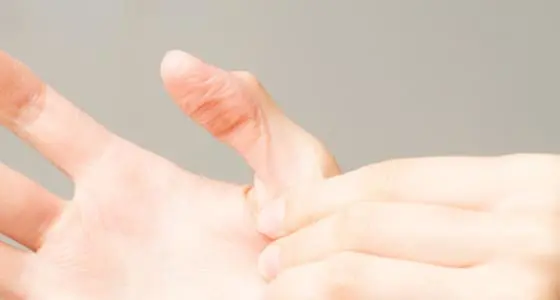
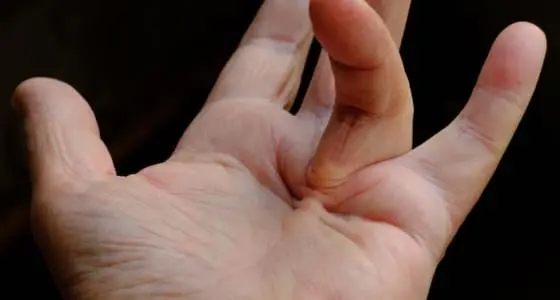
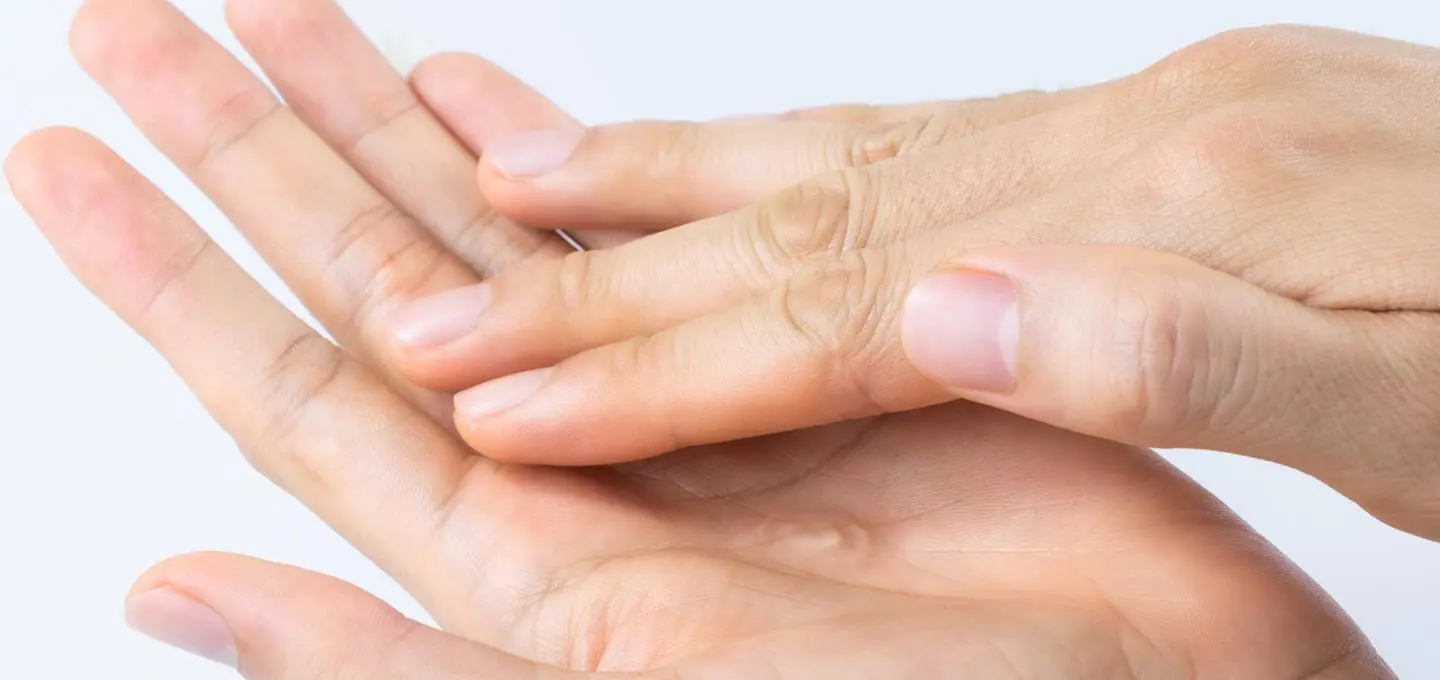
Trigger finger surgery is a surgical procedure designed to relieve the symptoms of trigger finger, a condition characterized by the locking or catching of a finger during movement.

This surgery typically involves the release of the constricted tendon sheath that encases the flexor tendons in the affected finger, allowing for smoother motion and alleviating discomfort.

The main objectives of trigger finger surgery include:

Alleviating Pain and Discomfort: Individuals with trigger finger often experience pain, stiffness, or a sensation of locking in the affected finger. The surgery aims to address these symptoms by releasing the pressure on the tendon, resulting in significant pain relief.

Restoring Normal Finger Function: Chronic triggering can lead to decreased mobility and difficulty in performing everyday tasks. By surgically releasing the tendon sheath, the procedure facilitates normal finger movement, improving overall hand function and dexterity.

Preventing Further Complications: If left untreated, trigger finger can lead to persistent pain and potential damage to the tendons. Surgical intervention helps prevent these complications, ensuring better long-term health of the finger and hand.

While trigger finger surgery can provide lasting benefits, it is essential to recognize that recovery may vary and rehabilitation might be necessary to regain full movement. Ultimately, the procedure can significantly enhance the quality of life for those suffering from trigger finger.

The Consultation

The Day Clinic - Your Consultation

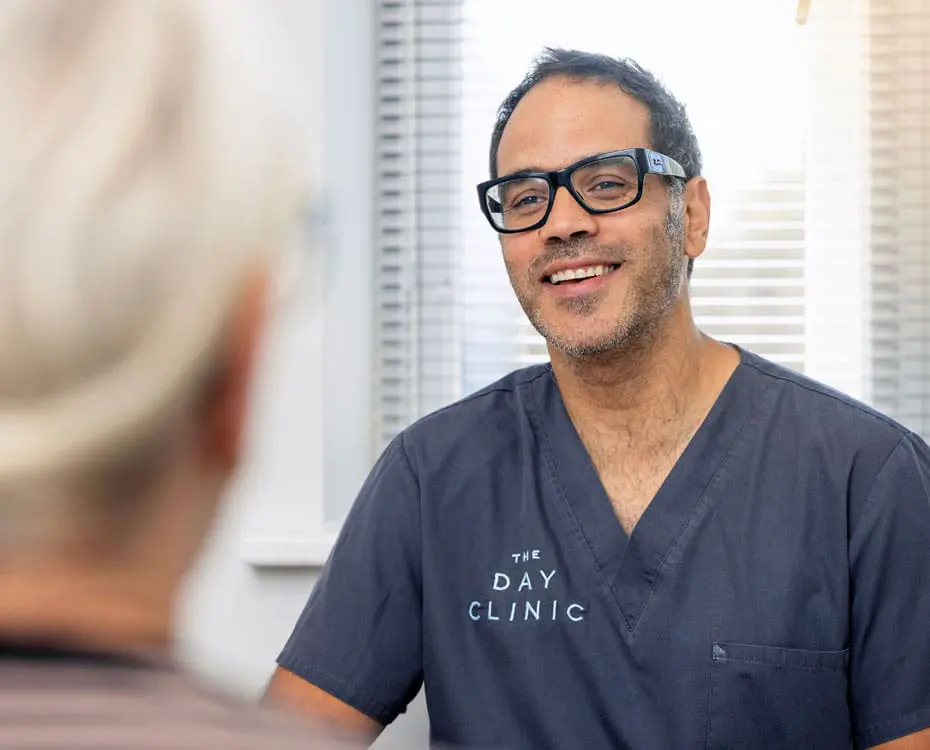
During a consultation with one of our hand surgeons, you can expect a thorough evaluation of your hand condition. The appointment typically begins with a discussion of your medical history, including any previous injuries, surgeries, or underlying medical conditions that may impact hand health. The surgeon will then conduct a physical examination, assessing the range of motion, strength, and any visible abnormalities in the hand and wrist. You may be asked specific questions about your symptoms, such as when they began, how they affect your daily activities, and any treatments tried previously. Depending on the findings, the surgeon may recommend diagnostic imaging, such as X-rays or MRIs, to gain further insights into the condition. After the evaluation, the hand surgeon will discuss potential treatment options, which may range from conservative measures to surgical interventions, and address any questions or concerns that you may have about the diagnosis and treatment plan. Overall, the consultation aims to provide a comprehensive understanding of the condition and outline the best path forward for recovery and improved hand function.

The Procedure

Procedure

Trigger finger release surgery under local anaesthetic is a straightforward and effective procedure aimed at alleviating the symptoms of trigger finger, a condition characterized by the locking or catching of a finger due to tendon inflammation. During the surgery, the patient remains awake and comfortable, as the local anaesthetic is administered to numb the hand and finger area. The surgeon makes a small incision at the base of the affected finger to access the tendon sheath, where they then carefully release the constricted portion that is causing the finger to lock. This minimally invasive approach typically results in minimal discomfort and a quicker recovery time, allowing patients to return home the same day. Post-operatively, patients are usually advised to rest the hand, apply ice to manage swelling, and perform gentle exercises to regain full mobility. Most individuals experience significant relief from symptoms shortly after the procedure, enabling them to resume daily activities with improved hand function.

Aftercare & Results

Aftercare

After hand surgery, proper after-care is crucial for a successful recovery. Patients should follow their surgeon’s instructions closely, which may include keeping the hand elevated to reduce swelling and applying ice packs as recommended. It’s important to keep the surgical site clean and dry, changing any dressings as instructed to prevent infection. Gentle exercises may be introduced gradually to restore mobility, but patients should avoid any strenuous activities or heavy lifting until cleared by their doctor. Pain management is also key, so taking recommended medications as directed can help alleviate discomfort. Regular follow-up appointments will allow the surgeon to monitor healing progress and address any concerns, ensuring the best possible outcome for hand function.

What our clients think

Posted on Google Google
tonia george profile picture
tonia george
9 February 2024
Google star 1Google star 2Google star 3Google star 4Google star 5
Day into lower eye blep lift. Staff were great all the way through procedure. Everything went smoothly. Lovely cup of tea and brownie after. Looking forward to seeing results. Would recommend .
Posted on Google Google
Kimba DanceFit profile picture
Kimba DanceFit
8 February 2024
Google star 1Google star 2Google star 3Google star 4Google star 5
I am full of praise for Mr Abood, his team and his clinic. It is a friendly, welcoming environment with ample (and free!) parking. The staff are caring and empathetic, the procedure was straightforward and I felt as though my wellbeing was prioritised at all times. I cannot recommend them highly enough and would definitely return. The care I received before, during and after the procedure was excellent, and it was an overall positive experience.
Posted on Google Google
James Daniel profile picture
James Daniel
26 January 2024
Google star 1Google star 2Google star 3Google star 4Google star 5
Yesterday, I attended the Day Clinic for the removal of several moles/lesions. I cannot speak highly enough of the treatment I received and the outstanding way in which it was delivered. This is my second visit to Mr Abood's Clinic, so there was no apprehension nor doubt that the experience would again exceed expectation. I found Mr Abood to be highly skilled and knowledgeable, personable and caring. I felt instantly at ease in his care and had absolute confidence in his professionalism and expertise. A special mention to Rachael too, who was equally welcoming, attentive and very kind. I have no hesitation in recommending Mr Abood and his superlative Team. With grateful thanks Deborah Daniel.
Posted on Google Google
Anne Cooke profile picture
Anne Cooke
1 January 2024
Google star 1Google star 2Google star 3Google star 4Google star 5
Professional service and clear instructions for after care
Posted on Google Google
Jane Halliday profile picture
Jane Halliday
15 December 2023
Google star 1Google star 2Google star 3Google star 4Google star 5
The website of Mr Abood promises an individual and bespoke approach to care, and this is exactly what was delivered; from contacting Justine initially and then having the procedure with Mr Abood. I cannot recommend highly enough the professionalism, assurance and personalised care that Mr Abood and his Team provide.
Posted on Google Google
Anthony Roberts profile picture
Anthony Roberts
14 December 2023
Google star 1Google star 2Google star 3Google star 4Google star 5
First class surgery and a fantastic warming atmosphere.
Posted on Google Google
Lizz Grimwade profile picture
Lizz Grimwade
7 December 2023
Google star 1Google star 2Google star 3Google star 4Google star 5
Fantastic experience from start to finish. The whole team werr extremely friendly and professional which made the whole process smooth and efficient. I would be more than happy to use the clinic again and would highly recommend them.
Posted on Google Google
James Waters profile picture
James Waters
7 December 2023
Google star 1Google star 2Google star 3Google star 4Google star 5
Very welcoming and friendly. I felt reassured at all times, well briefed before my procedure and given clear guidance post procedure. I would heartily recommend to anyone with any skin lesion. Thankyou to Mr Abood and his colleagues
Posted on Google Google
Carole King profile picture
Carole King
30 November 2023
Google star 1Google star 2Google star 3Google star 4Google star 5
From the moment we walked in I felt comfortable and looked after . The whole experience was kind and caring and I felt very well treated . My questions were answered and explained and my comfort during the procedure was constantly checked . The follow up email to explain what may happen was clear and precise and I feel able to contact the clinic if I have any ongoing problems .

Potential Risks

Trigger finger release surgery under local anaesthetic is generally considered safe, but like any surgical procedure, it carries potential risks and complications. These may include:

Infection

There is a risk of infection at the incision site, which may require treatment with antibiotics or further medical intervention.

Nerve Injury

Although rare, there is a possibility of damaging nearby nerves during the procedure, potentially leading to altered sensation or weakness in the finger or hand.

Tendon Injury

The surgery may inadvertently affect the flexor tendons, which could result in complications with finger movement or function.

Persistent Symptoms

Some patients may continue to experience symptoms such as pain, stiffness, or locking of the finger even after surgery.

Scarring

The incision will lead to a scar, which can sometimes be painful or restrict movement in the affected finger.

Stiffness and Reduced Range of Motion

Post-operative stiffness is possible, and some patients may need physical therapy to regain full motion and strength in the finger.

Related FAQs

What is trigger finger release surgery?

Trigger finger release surgery is a procedure designed to alleviate the symptoms of trigger finger by cutting the A1 pulley, a thick band of tissue that constricts the tendon. This allows for smoother movement of the tendon and reduces locking or catching of the finger.

When is surgery necessary for trigger finger?

Surgery is typically recommended when conservative treatments, such as splinting, corticosteroid injections, and physical therapy, have not provided sufficient relief from symptoms. If the condition significantly affects daily activities or causes persistent pain, surgery may be considered.

How is the surgery performed?

Trigger finger release surgery can be performed either through an open procedure, where an incision is made at the base of the affected finger, or via a percutaneous technique, which involves a smaller incision and the use of a needle to cut the A1 pulley. The choice of method depends on the surgeon’s preference and the severity of the condition.

What type of anaesthesia is used during the surgery?

The surgery is usually be performed under local anaesthesia, which numbs the affected finger and surrounding area.

How long does the surgery take?

Trigger finger release surgery typically takes about 10 to 15 minutes, depending on the complexity of the case and the surgical technique used.

The Day Clinic - Newsletter

Sign up to our newsletter

The Day Clinic